

In a world where our homes are representations of our personalities and ways of living, interior designers occupy a key role in crafting spaces that echo with symmetry and ease. Aside from mere aesthetics, these experts intertwine thoughtful components together, ensuring that every room has a function while also enhancing well-being. Whether it's it's designing comfortable rooms that encourage calm or adding nature-inspired designs that bring a element of the outdoors indoors, the art of interior design encompasses a multitude of elements.
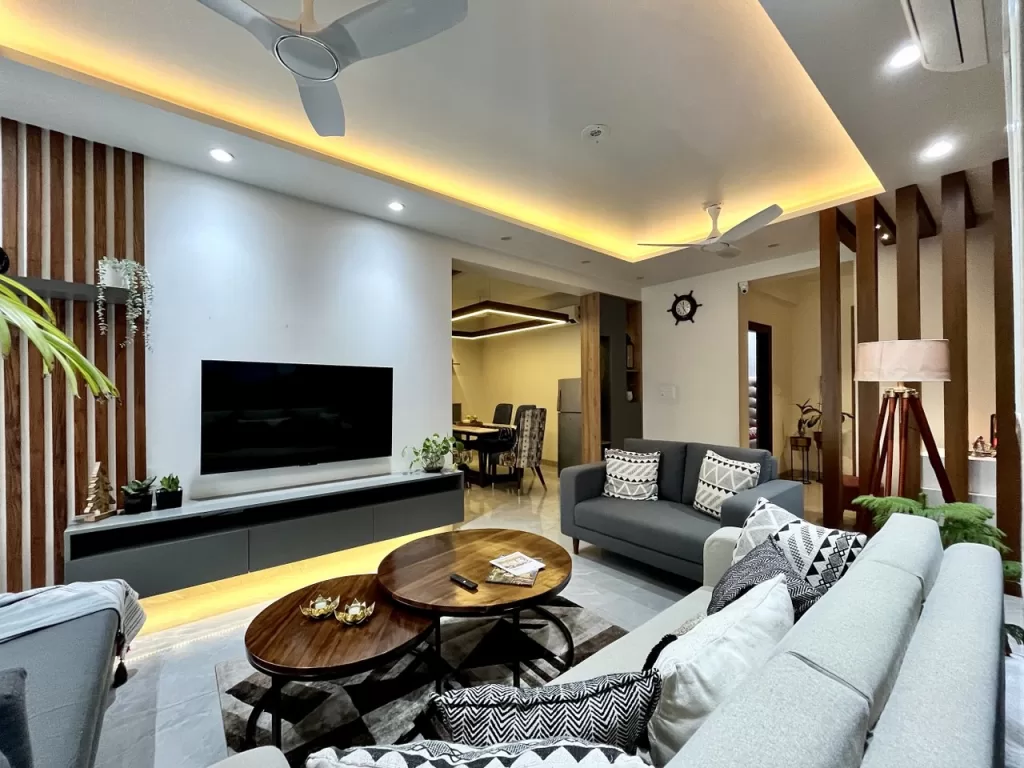
Contemplate the unique challenges of compact space design, where maximizing efficiency and design is essential. Alongside the concepts of color psychology, which elicit specific responses, interior designers skillfully curate environments that not only are attractive but also have a positive ambiance. From harnessing the power of ambient light to adopting sustainable practices, their knowledge transforms houses into cohesive homes that showcase a thoughtful balance of beauty and usability.
Making Cozy Areas: Ease in Design
Making inviting spaces is crucial for making a home feel welcoming and friendly. The key to achieving this warmth lies in the careful selection of furniture, fabrics, and lighting. Gentle fabrics like wool, fleece and soft materials can greatly enhance the sense of coziness. Incorporating oversized cushions, blanket blankets, and comfortable seating layouts encourages a sense of peace, welcoming people to settle in and enjoy the space.
Natural light plays a pivotal role in creating warmth, so maximizing natural light and using light-filtering treatments allows daylight to pour in while maintaining seclusion. Balancing the natural light with gentle artificial lighting helps create an ambiance during nighttime hours. South Florida Interior Designer , such as table lamps and wall lights, can create an engaging atmosphere, making areas feel more personal and welcoming.
Personal touches and decor can also elevate the feeling of cosiness in a living space. Displaying click this over here now , cherished keepsakes, or artworks that reflects with the owner adds character, making the space feel lived-in and appreciated. Blending these features fosters an atmosphere that supports well-being and can be a cherished sanctuary from the outside world.
Maximizing Effectiveness in Small Areas
In compact spaces, every square inch counts, and optimizing functionality is important to create a inhabitable environment. One successful strategy is to include dual-purpose furniture that can serve more than one use. For example, a futon provides a comfortable seating area during the day and transforms into a sleeping quarters at night. Footstools with storage options can also function as coffee tables or extra seating, providing for flexibility without compromising comfort or style.
Another method is to make use of vertical dimensions by adding shelves, wall-mounted cabinets, or tall bookcases. This helps to create height, making the room feel larger while providing plenty of storage for books, decorative items, and everyday necessities. Strategically positioning mirrors can also improve the sense of space by bouncing back light and forming an illusion of depth, further contributing to a airier atmosphere.
Lastly, consider the layout of the space and confirm that furniture arrangement encourages easy flow and accessibility. Avoid big, unwieldy pieces that can fill the area and instead opt for sleek, minimal designs. Creating specific areas within a small area, such as a reading nook or workspace, helps to enhance functionality while maintaining an pleasant and harmonious environment. By carefully blending these elements, small spaces can become both fashionable and practical.
Emotional Influence of Hue and Illumination
The combination of shade and light in indoor decor profoundly influences our emotions and mental health. Varied colors evoke distinct feelings; for instance, cozy tones like crimson and oranges can invigorate a environment, while cooler hues like blues and emeralds often create a feeling of calm. When thoughtfully chosen, colors can change a room from a commonplace atmosphere into a haven that harmonizes with the sought-after ambiance. For instance, a warm living room might be enhanced with gentle lighting and earthy tones, inviting ease and promoting valuable conversations.
Daylight illumination plays a vital role in improving the affective environment of an indoor setting. It brings warmth and energy, making areas feel more welcoming and spacious. Decorators often utilize on windows and other apertures to maximize daylight exposure, promoting a link with the natural world. The strategic use of luminaries complements this natural brilliance, allowing for flexibility in mood. A well-lit home can improve overall psychological state and create an uplifting environment, making residents feel more at home.
In combining hue and light, designers also take into account the psychological effects. Warm and cheerful colors combined with diffused lighting can evoke feelings of joy and imagination, perfect for spaces like study rooms or children's areas. Conversely, for spaces dedicated to rest such as bedrooms, softer tones with soft ambient lighting foster restfulness and sleep quality. By comprehending and applying these principles, decorators create harmonious spaces that promote mental health , important for any home environment.