

Customizing one's space is an exciting journey that enables you to express your individuality and create a home that truly represents who you are. Whether you lean towards a modern design or prefer the charm of rustic charm, interior design offers a variety of possibilities to transform your living area. Today, we explore the world of interior design, examining various styles and strategies to help you craft spaces that are not only useful but also resonate with comfort and creativity.
From building cozy environments that embrace relaxation to maximizing utility in small areas, the art of interior design encompasses much more than just aesthetics. Understanding the psychological impact of color, harnessing natural light, and choosing sustainable materials are just a few factors that can enhance your home. We will also explore contemporary trends, minimalist principles, and biophilic design to incorporate nature inside. Join us as we navigate through essential aspects of interior design that can turn any space into a sanctuary tailored to your individual style.
Creating for Comfort and Usefulness
Establishing spaces that prioritize both ease and functionality is crucial for a cohesive home. When designing interiors, it's important to consider how each space will be used and the requirements of the occupants who live in it. This means choosing furniture that is not only stylish but also supportive and versatile, allowing for various activities, from lounging to working. Furthermore, adding South Florida Interior Designer helps create an organized environment, making every corner of the home both attractive and functional.
Maximizing functionality often requires careful thought of the layout. For instance, in compact spaces, multi-functional furniture can be a game-changer. A sofa bed can transform a living area into a sleeping area, while nesting tables provide adaptability in entertaining without taking up unnecessary space. Additionally, ensuring that the arrangement of furniture promotes easy movement and communication can improve the overall design of the area, making it a more inviting and comfortable setting.
To truly embody comfort, touch and warmth should be emphasized in interior design. Soft fabrics, stacked rugs, and welcoming throw pillows can create a comfortable atmosphere that invites relaxation. Incorporating personal touches, such as family photos or heirloom decorations, fosters a sense of belonging and warmth. Ultimately, the goal is to create spaces that not only look good but also are comforting, creating a perfect balance of comfort and functionality for everyday living.
Incorporating Coloration and Natural Components
Integrating hues into your interior design can significantly change the mood of a space. Different colors evoke various emotions; for example, blues can create a calming atmosphere, while yellows may energize a room. As you selecting a color palette, consider the function of each space. For example, in a bedroom, gentle colors might promote relaxation, whereas bright hues in a playroom may inspire creativity. A cohesive color palette across your home can enhance unity and flow, making the transition between spaces feel seamless.
Incorporating organic elements within the interior design not only brings aesthetic appeal but also creates a sense of peace. Luxury Interior Designers South Florida , stone, and plant life can ground a space and connect it to the outside environment. Large indoor plants, for example, not only clean the air but also serve as striking focal points. Additionally, using sustainable materials contributes to a more environmentally conscious design. Opting for reclaimed wood furniture or natural fiber rugs not only benefits the environment but also adds depth and warmth to your home.
Merging color and organic elements may lead to a harmonious living space that reflects one's personality while promoting well-being. Accent walls coated in soothing hues paired with wood furniture and green plants may create inviting atmospheres in every room. Consider ways to combine colors through accessories like cushions, artwork, and decorative objects, ensuring these choices enhance the natural features. This thoughtful approach can transform the home into a harmonized and individualized sanctuary.
Trends and Innovations in Interior Design
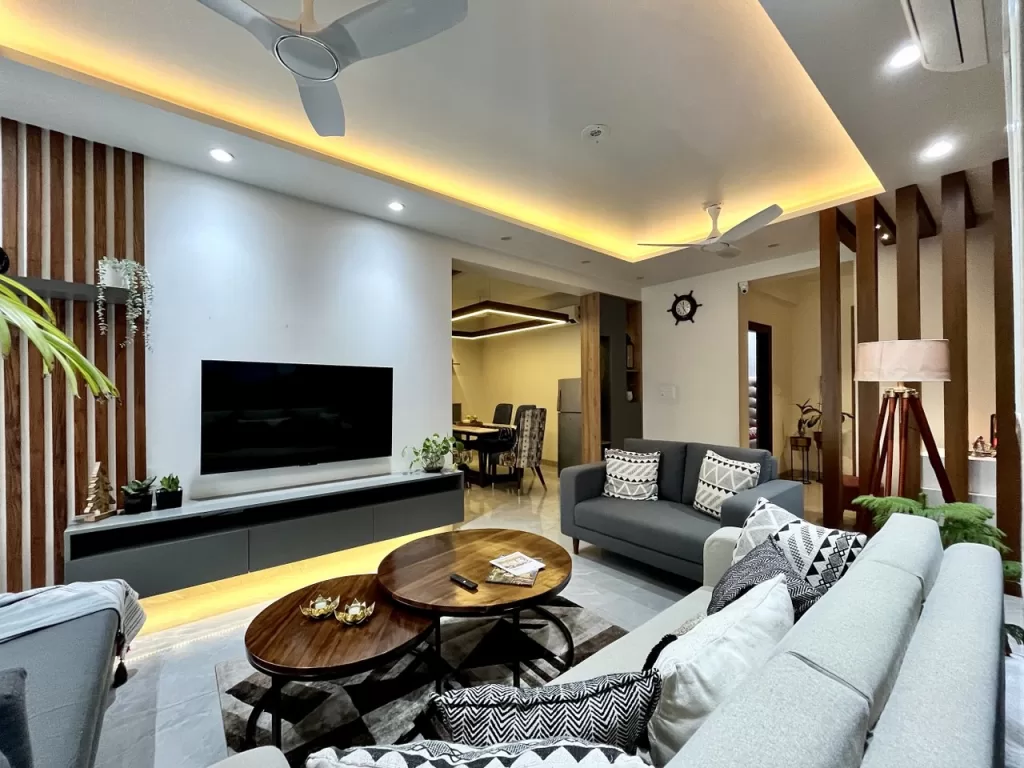
The landscape of home design is always evolving, with styles reflecting social transformations and technological advancements. One emerging development is the integration of smart home technology, allowing residents to control lighting, climate, and safety systems through their smartphones or voice commands. This innovation not only improves ease of use but also contributes to energy efficiency, making houses more sustainable. As more individuals seek to maximize their environments, the combination of technology and design is becoming an essential element in contemporary homes.
Sustainable home design is gaining popularity, with environmentally friendly materials and practices at the forefront. Designers are now focusing on finding materials that are environmentally sustainable, such as reclaimed wood, recycled metals, and low-VOC paints. Incorporating biophilic design principles, which link indoor spaces with nature, is also on the upswing. This comprises using natural elements like plants, water features, and natural forms, creating a calming and refreshing environment that improves health and productivity.
Another innovation is the focus on flexibility in design, motivated by the need for multi-purpose spaces, especially as more individuals are working from their residences. Furnishings that serve multiple purposes, such as couch beds or flexible storage, are becoming in demand. Additionally, open-plan spaces are being redesigned to offer seclusion while maintaining an spacious feel. This adaptability in interior design not only satisfies the needs of modern life but also improves the overall aesthetic of intimate gathering spaces, encouraging interpersonal relationships and coziness.