

The world of interior decor is continuously evolving, fueled by new technologies, shifting lifestyles, and a growing awareness of the importance of our environment. As we look toward the horizon, a multitude of innovations and trends are arising that vow to reshape the way we think about and design our homes. From South Florida Interior Design that prioritize comfort to cutting-edge sustainable practices, the upcoming era of interior design is teeming with possibilities.
One of the particularly fascinating aspects of this transformation is the blend of functionality and style in compact space design, offering innovative solutions for city dwellers. The study of color psychology is also making waves, as designers understand how particular hues can elicit distinct emotions and establish the mood for a space. With a focus on natural light, sustainable choices, and the growing trend of biophilic design, homeowners are more and more seeking ways to balance their interiors with the environment. While we delve deeper into these emerging trends, we acknowledge the art of shaping spaces into reflections of our personal stories and dreams.
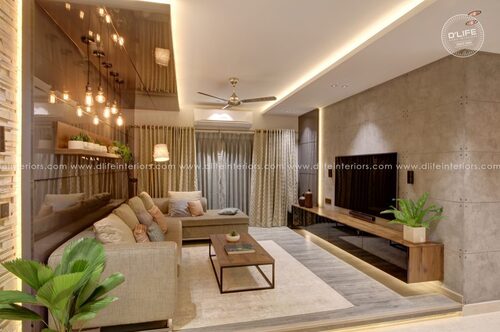
Enhancing Space plus Comfort
In the field of interior design, maximizing area while providing comfort is a crucial goal for both decorators and property owners. Small spaces often present unique issues, but with imaginative solutions, they can be converted into functional and inviting environments. Using dual-purpose furniture products, such as couches that transform into beds or tables with attached storage, can significantly boost the effectiveness of compact rooms. Moreover, thoughtful furniture arrangement plays a essential role in maximizing flow and utilizing limited area.
Color choices and lighting also considerably affect the perception of space. Bright, soft palettes can create an effect of openness, while adding mirrors can reflect illumination, more enhancing a area's largeness. Ambient light should be made the most of to its maximum potential, with curtains designed to ensure privacy without sacrificing brightness. Deliberate consideration of color psychology can help in inducing moods, helping to an atmosphere of comfort and peace.
Planning for comfort involves not only aesthetic considerations but also the incorporation of warm features. https://zenwriting.net/casavalasquezinterior57/elevate-your-living-space-creative-interior-design-ideas , such as soft carpets, cushy pillows, and snug throws, can convert any room into a sanctuary. Layering textures adds dimension and promotes relaxation, making it crucial to select fabrics that are both inviting and sturdy. By concentrating on maximizing both space and comfort, decorators can create cohesive environments that cater to today's living requirements.
Cutting-edge Design Trends
As we welcome novel ways of living and working, creative design trends are reshaping the realm of interior design. One such trend is eco-centered design, which highlights connecting interior spaces with nature through earthy materials, ambient light, and plants. This approach not only enhances visual appeal but also supports well-being, helping to lessen stress and boost productivity. As more people become aware of the benefits of biophilic spaces, incorporating plants and natural elements into design will become increasingly widespread.
Another exciting trend is the rise of sustainable interior design. With increasing awareness of environmental issues, designers are focusing on eco-friendly choices that cut down on waste and use environmentally-friendly materials. From upcycled furniture to sustainable lighting, sustainability is a key element influencing design decisions. Homeowners are looking for ways to create aesthetic interiors while minimizing their ecological footprint, which fosters a more conscious approach to design that values both style and sustainability.
Lastly, color psychology continues to play a vital role in contemporary interior design. Designers are investigating how various colors affect mood and behavior, leading to carefully crafted color palettes that inspire specific emotions in various spaces. For example, calming blues and greens are great for bedrooms, while vibrant yellows and reds can revitalize social areas. By comprehending the psychological impact of color, designers are able to design environments that enhance the overall living experience, making interiors more than visually appealing but also emotionally engaging.
Green and Practical Choices
The rise of environmental awareness has led to a significant shift in interior decorating techniques, highlighting sustainability alongside functionality. Designers are more and more opting for materials that are recyclable, recycled, or sustainably sourced, ensuring that the spaces they create have a reduced environmental impact. For instance, picking furniture made from reclaimed wood not only adds charm to a room but also minimizes waste and promotes a closed-loop system. Additionally, many designers are incorporating eco-friendly textiles, such as organic cotton or linen, which carry a reduced ecological footprint than traditional materials.
Functional design goes in tandem with sustainability by emphasizing performance in both dimensions and resources. Cutting-edge storage solutions, such as built-in shelving and smart furniture, make small spaces more usable without diminishing aesthetic appeal. Multi-functional pieces, like pull-out couches or expandable dining tables, allow homeowners to maximize their living areas while maintaining a neat and stylish environment. This approach not only boosts usability but also contributes to a more sustainable lifestyle, as it encourages minimalism and reduces the need for surplus items.
The integration of naturalistic elements also plays a crucial role in linking sustainability with functionality. By incorporating elements of nature indoors through plants, natural materials, and ample natural light, designers can create improved living environments that enhance well-being. Furthermore, the thoughtful use of windows and skylights can enhance energy efficiency, allowing spaces to take advantage of daylight effectively, which in turn lessens reliance on artificial lighting. Ultimately, embracing sustainable and functional choices in interior design not only leads to visually appealing spaces but also fosters a deeper connection to the environment and promotes a better lifestyle.