

The areas we inhabit play a crucial role in influencing our feelings, actions, and overall well-being. As South Florida Interior Design navigate through our daily lives, the aesthetics and functionality of our settings can either inspire innovation or hinder effectiveness. Interior design is not merely about arranging furnishings and choosing palette; it is a deep expression of how we connect with our environment, impacting our ease and tranquility.
In this exploration of the psychology of environment, we will delve into various aspects of interior design that can convert our homes into sanctuaries of inspiration. From creating cozy spaces that envelop us in comfort to understanding the psychological responses evoked by specific colors, the principles of good design can enhance our living experience. Whether you are looking to optimize functionality in a compact space or embrace sustainable choices, this discussion will guide you through the essential elements of designing interiors that truly resonate with your requirements and goals. Let us embark on a path to unlock the capabilities of our spaces, ensuring that each room reflects not only aesthetic but also comfort and function.
Designing Inviting Spaces plus Enhancing Functionality
Establishing inviting spaces is essential for promoting coziness and relaxation in our houses. To attain this, design professionals often concentrate on choosing soft textiles, multilayered illumination, and inviting color palettes. Introducing furniture that invite people to sit and stay a bit can convert a space from simply practical to truly welcoming. Details such as extra cushions, soft rugs, and intentional use of throws can improve the welcoming ambiance, turning any zone feel like a comforting sanctuary.
When it comes to small area design, enhancing usability without compromising aesthetic becomes a major concern. Versatile furniture, such as daybeds or collapsible tables, can enable versatile use of limited space. Innovative storage solutions, such as custom bookcases or under-bed storage, also ensure that the space remains organized while still feeling uncluttered and light. Thoughtful furnishing layout is important, as it helps maintain good flow and makes small spaces feel more spacious than they are.
Another vital aspect of creating cozy yet practical areas is the mindful use of ambient light. Designers often develop strategies to capture as much daylight light as possible through window treatments and solutions. This simultaneously enhances a feeling of openness but also ties indoor areas to the outside, improving the overall atmosphere. By integrating these features, a dwelling can be both a chic display and a retreat, addressing the demands of modern living while still embracing warmth.
The Impact of Shade and Ambient Light
A relationship of shade and ambient light in home design profoundly influences the atmosphere and usability of a environment. Colors have the ability to trigger emotions, set vibes, and create a feeling harmony or chaos. When blended with natural light, these colors can seem distinctly throughout the day, amplifying or minimizing their desired impact. A room painted in muted blues or greens or greens or blues can feel soothing and restful when illuminated in warm morning light, while luminous yellows or oranges or oranges can energize the room in direct sunlight, inspiring productivity and positivity.
Ambient light is a vital element in design, not only for its artistic qualities but also for its psychological effects. Light-filled areas tend to be more appealing and can boost overall happiness. Designers can take advantage of ambient light by strategically positioning mirrors to redirect light, using transparent window furnishings, and choosing lighter paint tones that increase brightness. Adding larger panes or light wells also plays a crucial role in optimizing natural light, creating vibrant, energetic interiors that transform with the sun's light.
Additionally, comprehending the interaction between shade and illumination allows designers to create cohesive environments tailored to distinct roles. For instance, in a home workspace, cooler shades with plenty of natural light can improve attention and focus. In Luxury Interior Designers South Florida , in leisure areas like sleeping spaces or washrooms, softer tones paired with soft ambient light can create a tranquil retreat. By artfully harmonizing shade picks with the benefits of natural light, designers can design spaces that not only seem gorgeous but also foster well-being and happiness. spintax
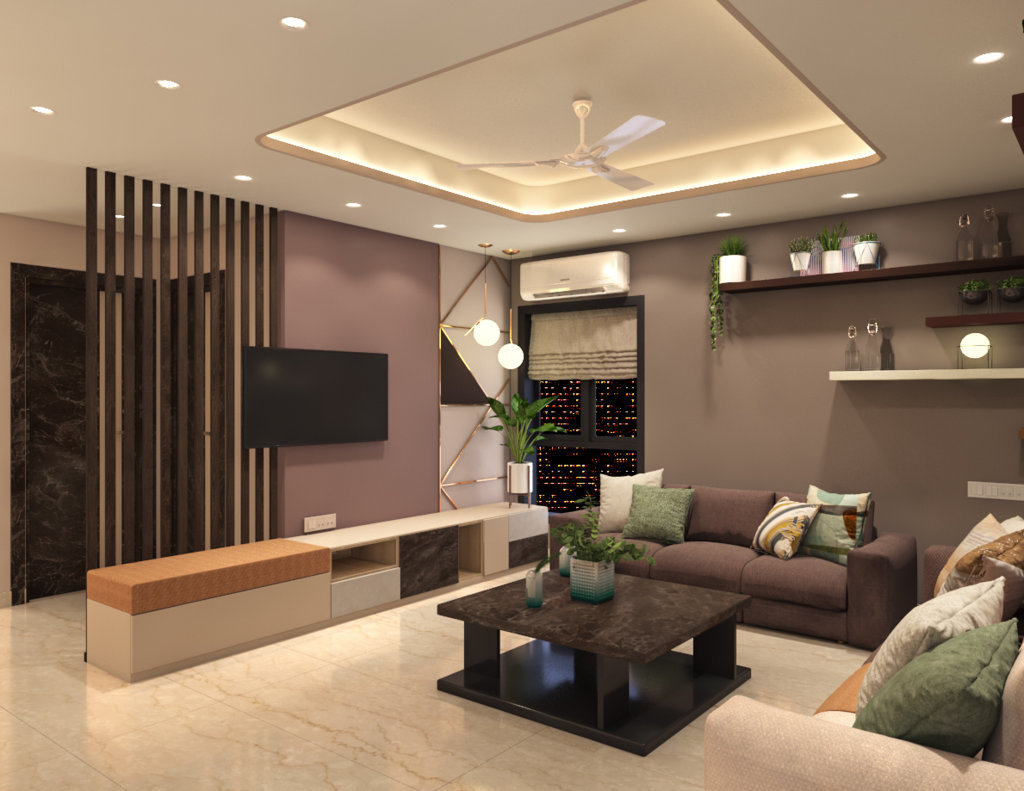
### Eco-Friendly and Contemporary Design Trends
The contemporary interior design landscape is increasingly turning towards sustainability, as environmental awareness becomes a key consideration for many homeowners and designers alike. With a focus on using renewable materials, low-energy appliances, and sustainable practices, designers are creating spaces that not just look stunning but in addition have a positive impact on the environment. From repurposed wood flooring to repurposed fabrics, incorporating sustainable elements can enhance the style of a home while reducing its carbon footprint.
Another thrilling trend in modern design is the emphasis on eco-centric design, which aims to connect indoor spaces with the outdoors. This approach promotes the inclusion of eco-friendly elements such as plants, natural light, and aquatic designs, creating a calming and nurturing environment. Designers are embracing large windows and airy spaces to invite sunlight, while also incorporating indoor gardens and greenery that foster a sense of well-being and serenity. The integration of nature indoors not only elevates the visual appeal of a space but also improves mental health by creating a relaxing, nature-infused atmosphere.
As we continue to seek coziness and style, minimalist design remains a preferred choice for current interiors. This trend emphasizes minimalism and functionality, allowing spaces to feel open and promoting a sense of calm. By utilizing sleek lines, neutral colors, and meticulously chosen furniture pieces, designers create environments that feel neat and inviting. The minimalist approach also complements sustainable practices, as it often encourages the reduction of mess and the selection of quality over quantity, aligning with the principles of eco-friendly living.