

As for renovating a home, many homeowners often feel overwhelmed by options and opportunities. This is where the skill of an interior designer can truly shine. An interior design expert does not just decorate; they create spaces that represent the homeowner's character while enhancing utility. From creating cozy nooks that invite relaxation to formulating efficient configurations for small spaces, the role of an interior designer is crucial in unlocking the full capability of a home.
These professionals bring a large amount of expertise about color theory, daylight, and green alternatives, guaranteeing that each component contributes to the overall cohesion of the space. Whether it’s transforming a disorganized area into a minimalist haven or setting up a productive workspace, their capability to blend design with functional strategies helps homeowners navigate the intricate world of decor styles and individual requirements. With their guidance, a remodeling effort can evolve into a harmonious retreat that not only is visually appealing but at the same time is like home.
Designing Comfortable Spaces
Establishing cozy environments is crucial for transforming a home into a sanctuary. The core of a warm and inviting atmosphere lies in the use of smooth fabrics, warm colors, and thoughtfully selected decor. Incorporating https://pads.zapf.in/s/m1-E6pRW-P like plush rugs, cozy throws, and comfortable seating can enhance the feeling of coziness in any room. Mixing different textures not only makes the space visually appealing but also adds to the sensory experience, encouraging people to relax.
Illumination plays a crucial role in creating a cozy ambiance. Employing various lighting options such as table lamps, floor lamps, and dimmable ceiling lights enables for adjusting brightness levels to suit different moods. Choosing Luxury Interior Designers South Florida -toned bulbs can create a gentler, more calming glow, making the room feel more inviting. Additionally, candles or fairy lights can introduce a touch of charm and warmth, ideal for evenings spent indoors.
Lastly, personal touches are vital in establishing cozy environments. Adding family photos, favorite books, and meaningful decor items aids to evoke a sense of belonging and sentimentality. Natural features like plants or fresh flowers can bring life into the space, while a thoughtfully chosen color palette can enhance feelings of comfort. By carefully blending these factors, an interior designer can design environments that are not only aesthetically pleasing but also provide a nurturing retreat from the environment.
Maximizing Functionality and Design
In instances where it comes to small area styling, the challenge lies in achieving an ideal balance between practicality and style. An expert interior designer can convert limited square area into a flexible haven by choosing dual-purpose furniture products, such as a sofa bed or a dining table that doubles as a home office. Clever storage solutions, like custom shelves or footstools for storage, can help keep the space organized while maintaining a stylish look. The key is to opt for pieces that serve dual functions without losing on design appeal.
Color also plays a crucial role in enhancing room. Lighter shades can make a space feel more spacious and inviting, while vibrant accents can add personality without distracting from the area. An interior designer can create a harmonious color combination that improves the sense of space and enhances the surrounding architecture. By thoughtfully considering each aspect, they make sure that limited areas feel comfortable and well-designed, demonstrating that restricted space does not mean limited style.
Furthermore, floor plan and furniture arrangement are essential for enhancing practical use. An interior designer understands the significance of movement; they will arrange furniture to promote movement while creating welcoming conversation nooks. By thoughtfully using mirrors to cast light and visually expand the space, they can boost the overall design. Ultimately, a considerate approach to arrangement and furnishings allows small spaces to feel both cozy and elegant, proving that aesthetics and functionality can coexist effectively.
Adopting Minimalism
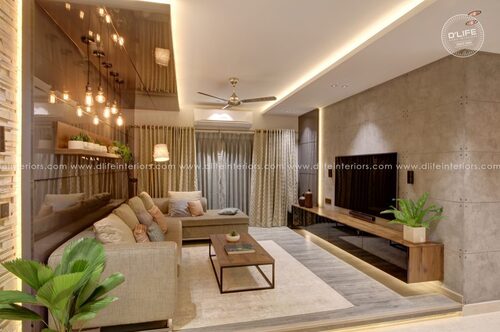
Minimalist home decor focuses around the concept of "simplicity in abundance," emphasizing on clean lines, uncluttered spaces, and practical furniture. Through eliminating excess ornaments and unnecessary items, a well-designed minimalist space cultivates a calm environment that fosters relaxation and mental clarity. This approach not just enhances the aesthetic beauty of a home but additionally streamlines daily living, making it simpler for inhabitants to keep their homes. An focus on quality over amount ensures that every piece chosen serves a function while contributing to an overall cohesive look.
Incorporating minimalist design also encourages careful consideration of color and material. Soft neutral shades often characterize minimalist palettes, creating a calm and welcoming atmosphere. By grasping the influence of color psychology, interior decorators can evoke particular emotions in a space, utilizing fine changes in tone to maintain the design engaging yet uncomplicated. Textures, such as smooth woods, soft fabrics, and cool metals, provide depth without saturating the senses, allowing homeowners to enjoy the elegance of simplicity.
A further key aspect of embracing simplicity is functionality. In small spaces, a minimalist method aids in optimizing every square foot, making sure that each area serves a specific purpose without appearing overcrowded. Multi-functional furniture, such as a trendy storage ottoman or a fold-out desk, can transform a living area into a practical and stylish environment, adapting to various needs. By prioritizing simplicity in design, homeowners can create spaces that are not only visually pleasing but also improve their daily lives through practicality and ease of movement.